
Flooded Car Buyers in UAE
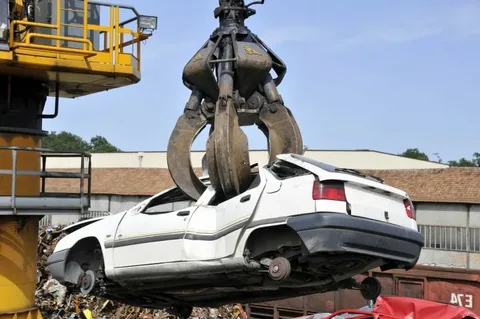
It rained hard. The street filled with water. Your car sat in it for hours. Now it will not start. The seats are wet. There is a bad smell. You are not sure what to do.
This happens to many people in the UAE. Heavy rain can turn roads into rivers in a short time. Cars in low parking areas can get flooded fast.
The good news is that you have a way out. You can sell a flooded car. You do not have to fix it first. This guide explains what to do, why flood damage is so serious and how to sell your car step by step.
You can learn more about us on the Scrap Cars Buyers home page.
What Is a Flooded Car buyers in uae?
A flooded car buyers in uae car that has been in deep water. The water may have reached the floor, the seats, the dashboard or the engine.
Some cars are only wet inside. Others are fully under water. Both can have serious damage.
Other Ways a Car Gets Water Damage
Floods are not the only cause. Water can also get in from:
Open windows or a sunroof during a storm
A broken door seal
A blocked drain under the windscreen
Driving through deep water
A burst pipe in a parking garage
Washing the engine bay the wrong way
Why Is Water So Bad for a Car?
A car can handle a little rain. It cannot handle deep water. Here is what water does.
It Can Wreck the Engine
If water gets into the engine, it can bend or break parts. Water does not squeeze like air. So the engine can lock up fast. This is worse if someone tries to start the car.
It Harms the Electric Parts
Modern cars have many wires, sensors and computers. Water can cause short circuits. Some faults show up right away. Others show up weeks later.
It Spoils the Fluids
Water can mix with engine oil, gearbox oil and brake fluid. This ruins the fluids and harms the parts that use them.
It Hurts the Inside
Seats, carpets and panels soak up water. If they do not dry well, mould can grow. This causes a bad smell. It can also be unhealthy to breathe.
It Starts Rust
Water and metal do not mix. Rust can start in hidden places. This includes under the carpet, inside doors and around the frame.
It Can Affect Safety Systems
Airbags, brakes and other safety parts rely on electric systems. Water damage can make them unreliable. That is a real risk.
What to Do Right After a Flood
Follow these steps in order.
Step 1: Stay Safe
Do not walk or drive into deep or moving water. Your safety matters more than the car.
Step 2: Do Not Start the Engine
This is the most important rule. Starting a wet engine can cause more damage. Even turning the key can be risky.
Step 3: Take Photos
Take clear photos of the car, the water line and the inside. These help with insurance and with selling.
Step 4: Call Your Insurance Company
Ask what your policy covers. Some policies cover flood damage. Some do not. Ask before you sell so you know your options.
Step 5: Do Not Try to Dry It Yourself
Opening doors and windows is fine. But do not use heaters or try to fix electric parts.
Step 6: Get an Honest Opinion
A trusted mechanic can tell you how bad the damage is. Ask for the repair cost in writing.
Step 7: Decide
Compare the repair cost with the car’s value. If the gap is big, selling may be the smart choice.
Should You Repair a Flooded Car?
Some people try to repair a flooded car. It is often a gamble. Here is why.
You do not know all the hidden damage.
New faults can appear later.
The repair bill can keep growing.
The car loses much of its value, even after repair.
Safety systems may not work as they should.
A flood history makes the car hard to sell later.
For these reasons, many flooded cars are treated as scrap. If the repair is large, selling as is can save you money and stress.
What Kinds of Flooded Cars Can You Sell?
We buy many kinds of water damaged cars.
Cars That Sat in Deep Water
Cars that were under water or nearly so.
Cars With Water Inside the Cabin
Wet seats, wet carpets and mould.
Cars With Water in the Engine
Cars that will not start after a flood.
Cars That Were Flooded in a Garage
Underground parking can fill quickly.
Older and Newer Cars
Age does not matter. We look at each car on its own.
Cars With Insurance Claims
If your insurer has paid out, ask them about your options first.
You can see our other services on the services page.
How Is a Flooded Car Priced?
Every flooded car is different. These things matter.
How Deep the Water Was
A car with water up to the floor is different from one that was fully under.
How Long It Stayed Wet
The longer the water stayed, the worse the damage.
The Make, Model and Year
Some models have parts that are easier to reuse.
The Weight and Metal
Steel and other metals still have value.
Parts the Water Did Not Touch
Doors, panels, wheels and glass may still be good.
The Market for Metal
Metal prices go up and down over time.
We do not post fixed prices. Every car is different. Send us your details and photos, and we will tell you what we can offer.
How to Sell Your Flooded Car
The process is simple.
Step 1: Gather the Car Details
Write down the make, model, year and number plate. Note how deep the water was.
Step 2: Take Clear Photos
Show the outside, inside, dashboard and water line.
Step 3: Check Your Papers
Find your Emirates ID and your car registration, known as the Mulkiya.
Step 4: Check Fines and Loans
Unpaid fines usually need to be cleared. If there is a bank loan, speak to your bank.
Step 5: Contact Us
Call +971 552 043 267 or send a WhatsApp message. You can also use our contact page.
Step 6: Get Your Offer
We look at your details and tell you what we can offer.
Step 7: Free Collection
We offer free collection and removal of your car. Tell us where it is. We will arrange a time.
Step 8: Sign and Get Paid
On the day, the car and the papers are checked. Read what you sign. Get paid as agreed and keep your receipt.
Step 9: Finish the Paperwork
We help with the paperwork. Make sure the car is cancelled on your name. Keep your proof safe.
Papers You May Need
Rules can change. Ask us to confirm what applies in your case. Often you may need:
Your Emirates ID
The car registration (Mulkiya)
Number plates
Proof that fines are cleared
A bank letter, if the car had a loan
Insurance papers, if a claim was made
Where We Collect From
We are based in Industrial Area No. 10, Sharjah. We collect cars from many areas, including:
Sharjah
Abu Dhabi
Ajman, Umm Al Quwain, Ras Al Khaimah and Fujairah
Al Ain
Ask us about your area. Learn more on our about us page.
Tips After a Flood
Do not start the car.
Take photos before the car is moved.
Ask your insurance company before you sell.
Do not wait too long. Rust and mould get worse.
Park the car in a safe, dry spot if you can.
Be honest about the flood when you sell.
Keep all your papers together.
Common Mistakes to Avoid
Starting the Engine
It can cause far more damage.
Hiding the Flood
Be honest. Hiding it only wastes time.
Waiting Too Long
Mould and rust spread fast.
Selling Before Checking Insurance
If a claim is open, speak to your insurer first.
Paying a Buyer First
A real buyer pays you. You do not pay to have your car taken.
Forgetting to Cancel the Registration
If the car stays on your name, you may still be responsible for it.
A Warning About Buying Flooded Cars
Some flooded cars are cleaned up and sold as normal cars. This is dangerous for the buyer. If you are ever buying a used car, check for these signs.
A musty smell
Damp carpet or mud under the seats
Rust in odd places, like seat rails
Fog inside the lights
Electric parts that act strangely
If you see them, walk away. And if you are selling a flooded car, always be honest. It protects the next owner.
How to Protect Your Car Before the Next Storm
You cannot stop the rain. But you can lower the risk. Here are simple tips.
Check the Weather
When heavy rain is in the forecast, plan ahead. Do not leave your car in a low spot.
Avoid Underground Parking in a Storm
Basement car parks can fill with water fast. Move your car to higher ground if you can.
Do Not Park Near Drains or Dry Rivers
Dry valleys, called wadis, can flood quickly. Stay away from them.
Never Drive Through Deep Water
Even a small depth can stall an engine. Water you cannot see the bottom of is not safe. Turn around.
Know Your Insurance
Read your policy. Check if flood damage is covered. Keep the claim number for your insurer in your phone.
Keep a Photo Record
Take photos of your car in good shape. They help if you ever need to make a claim.
How Long Does Flood Damage Take to Show?
Many owners think the car is fine if it starts after a flood. Be careful. Some damage hides for a while.
The First Day
You may see wet seats, a musty smell or warning lights.
The First Week
Electric faults can show up. Windows, locks and lights may act strange.
The First Month
Rust can start in hidden places. Mould can spread in the seats and carpets.
The First Year
Wires can corrode. Sensors can fail. The car may break down more often.
This is why so many people choose to sell a flooded car early. Waiting only adds repair costs.
What Parts of a Flooded Car May Still Be Good?
A flooded car is not always a total waste. Some parts may be fine.
Body panels. Doors, bonnets and boots may be clean.
Wheels and rims. Metal wheels are often safe.
Glass. Windows and mirrors may be fine.
Lights. Some outer lights may still work.
The metal shell. Steel has value whether it is wet or dry.
Buyers look at the whole car. A car with fewer damaged parts may be worth more.
A Simple Checklist for Flood Owners
I did not start the engine.
I took photos of the water line.
I called my insurance company.
I know the repair cost, or I have asked for a quote.
I checked fines and loans on the car.
I have my Emirates ID and registration ready.
I have messaged or called a buyer.
I know where the car is parked and how a truck can reach it.
If you can tick most of these, you are ready to sell.
What Happens to Your Car After You Sell It?
First, the car is checked. Parts that are still good may be taken off for reuse. Next, oil, fuel, coolant and battery fluids are removed with care. Flood water often carries dirt and chemicals, so careful handling matters. Last, the body is cut or crushed. The metal is recycled and used to make new things.
So a flooded car does not just go to waste. It becomes new material.
Frequently Asked Questions
Can I sell a flooded car?
Yes. We buy flooded and water damaged cars as is.
Should I try to start it first?
No. Starting a flooded car can cause more damage.
Do I need to dry the car?
No. You can sell it in its current state.
Can a flooded car be repaired?
Sometimes parts can be fixed. But hidden damage is common. Many flooded cars end up as scrap.
Do you buy flooded cars from any emirate?
We serve many areas of the UAE. Contact us with your location.
Is collection free?
Yes. We offer free collection and removal.
What papers do I need?
Usually your Emirates ID and the registration. Ask us about your case.
Will you help with the paperwork?
Yes. We help guide you through the paperwork.
What if my insurance covers the flood?
Speak to your insurance company first. They will tell you your options.
What if the car has fines or a loan?
Fines usually need to be cleared. A loan needs bank clearance. We can guide you.
Ready to Sell Your Flooded Car?
Do not let a water damaged car sit and rust. Take a few photos and get in touch. Call +971 552 043 267 or visit the Scrap Cars Buyers home page.