Insurance Write Off Car Buyers in UAE
You get a letter or a call. Your insurance company says your car is a “total loss.” What does that mean? Is the car worth nothing? Who gets the car now? What should you do next?
Many people feel lost at this point. This guide will help. It explains a write off in simple words. It shows your choices and the steps to sell your car. For more about us, visit the Scrap Cars Buyers home page.
One note first. Every policy is different. Always speak to your insurance company before you sell. They will tell you what your policy says.
What Is an Insurance Write Off car buyers in UAE?
A write off means the insurance company decides a car is not worth repairing. The repair would cost too much when compared to the car’s value. So the car is “written off.”
Think of it like a broken old phone. If the repair costs almost as much as a new phone, most people do not fix it. Insurance works in a similar way.
What Does “Total Loss” Mean?
“Total loss” and “totaled” mean the same thing. The car is damaged so much that repair does not make sense.
How Does the Insurer Decide?
In simple words, they compare two numbers.
The cost to repair the car.
The value of the car before the damage.
If repair costs are too high, the car may be a total loss. Safety is also a factor. If a repair may leave the car unsafe, it may be written off too.
What Can Cause a Write Off?
Serious Accidents
Heavy crashes can bend the frame, harm the engine and set off airbags.
Floods
Water can ruin the engine, wires and cabin.
Fire
Fire melts wires, burns seats and weakens metal.
Theft Damage
A stolen car found damaged or stripped may be written off.
Older Cars With Damage
An older car has a lower value. A medium repair can pass its value fast.
What Happens After a Write Off?
The steps depend on your policy. Here are the common paths.
Path 1: The Insurer Pays You and Takes the Car
Some insurers pay you an agreed amount and take the car. They then sell it or scrap it.
Path 2: You Keep the Car
In some cases, you can keep the car. The insurer may reduce the payout by the car’s scrap value. Then you can sell the car yourself.
Path 3: You Take the Offer and Sell the Car Separately
Ask your insurer if this is allowed.
Always ask your insurer which paths your policy allows.
Questions to Ask Your Insurance Company
Before you decide, ask these.
How did you decide on the value of my car?
How much will you pay me?
Will you take the car, or can I keep it?
If I keep it, will you reduce the payout?
What papers do you need from me?
Do I need to cancel the registration?
How long will the claim take?
Who pays for towing and storage?
Write down the answers. Keep copies of every message.
Should You Sell a Write Off Car Yourself?
If your insurer allows it, selling can be a good choice.
Reasons to Sell
You can get value from the metal and good parts.
You free your space.
You avoid storage costs.
You finish the matter and move on.
Reasons to Be Careful
Your insurer may need the car for the claim.
The payout may change if you keep the car.
You must follow your policy.
Always check first.
What Kinds of Write Off Cars Can You Sell?
Accident Write Offs
Heavy crash damage. Often with frame damage.
Flood Write Offs
Cars ruined by water.
Fire Write Offs
Cars with fire or heat damage.
Stripped or Theft Recovered Cars
Cars found with parts missing.
Cars That No Longer Run
Cars that cannot start after the damage.
Older Cars With Big Repair Bills
Cars not worth fixing.
See all that we buy on our services page.
How Is a Write Off Car Priced?
The Weight
Steel and other metals have value.
The Make, Model and Year
Some models have parts that many people want.
The Type of Damage
Fire and flood often lower value more than a simple crash.
The Working Parts
Some parts may still be good.
How Complete the Car Is
A complete car is worth more.
The Metal Market
Metal prices go up and down.
We do not post fixed prices. Send us your details, and we will tell you what we can offer.
How to Sell Your Write Off Car
Step 1: Talk to Your Insurer
Make sure you are allowed to sell the car.
Step 2: Gather Your Papers
Find your Emirates ID, car registration and insurance papers. If there is an accident report, keep it too.
Step 3: Check Fines and Loans
Unpaid fines usually need to be cleared. If there is a loan, talk to your bank.
Step 4: Take Clear Photos
Show all sides, the damage, the inside and the dashboard.
Step 5: Contact Us
Call +971 552 043 267 or send a WhatsApp message. You can also use our contact page.
Step 6: Get Your Offer
We look at the details and tell you what we can offer.
Step 7: Free Collection
We offer free collection and removal.
Step 8: Sign and Get Paid
The car and papers are checked. Read what you sign. Get paid as agreed. Keep your receipt.
Step 9: Finish the Paperwork
We help with the paperwork. Make sure the car is cancelled on your name.
Papers You May Need
Your Emirates ID
The car registration (Mulkiya)
Number plates
Insurance letter about the write off
Accident or police report, if any
Proof that fines are cleared
A bank letter, if the car had a loan
Rules can change. Ask us to confirm your case.
Where We Collect From
We are based in Industrial Area No. 10, Sharjah. We collect from Sharjah, Dubai, Abu Dhabi, Ajman, Umm Al Quwain, Ras Al Khaimah, Fujairah and Al Ain. Learn more on our about us page.
Tips Before You Sell
Read your policy.
Ask before you act.
Keep every letter and message.
Take photos before the car is moved.
Do not remove parts without checking.
Keep your papers together.
Do not leave the car in a public place.
Common Mistakes to Avoid
Selling Before Checking Your Policy
It can cause problems with your claim.
Signing Papers You Do Not Understand
Read every line. Ask questions.
Removing Parts From the Car
It may lower the price and cause claim issues.
Ignoring Loans
A car with a loan needs bank clearance.
Paying a Buyer in Advance
A real buyer pays you.
Forgetting to Cancel the Registration
If the car stays on your name, you may still be responsible.
Myths About Write Off Cars
Myth: A Write Off Car Is Worth Nothing
It still has metal and parts with value.
Myth: You Must Repair It
You can sell it as is, if your policy allows.
Myth: Only Old Cars Get Written Off
A newer car with heavy damage can be a total loss too.
Myth: A Written Off Car Is Always Unsafe
Not always. But hidden damage is common, so be careful.
How to Keep a Clear Claim File
A write off often means a long chat with the insurer. A neat file helps you stay calm and in control.
Keep Every Letter and Email
Save them in one folder, on paper or on your phone.
Write Down Phone Calls
Note the date, the name of the person and what they said.
Save Photos and Videos
Keep photos of the car before and after the damage.
Keep the Accident Report
If the police wrote a report, keep a copy.
Keep Repair Quotes
Quotes show why the car was called a total loss.
Keep Proof of Payments
Save receipts for towing, storage or any fee you paid.
Ask for Everything in Writing
If the insurer makes a promise, ask them to write it.
What If You Disagree With the Insurer?
Sometimes the offer feels too low. You have options.
Ask How They Reached the Number
They should explain how they valued your car.
Share Your Own Evidence
You can show proof of your car’s condition, service records or recent repairs.
Get a Second Opinion
A trusted garage or valuer can give their view.
Raise a Complaint if Needed
Insurers have a complaint process. Ask them how it works.
Stay Calm and Polite
A clear, calm talk often works better than anger.
We are not a legal or insurance adviser. For disputes, speak to your insurer or a qualified professional.
What Happens If You Still Owe Money on the Car?
If your car has a bank loan, there are extra steps.
Tell the Bank
Let them know the car has been written off.
Ask About the Payout
The insurer may pay the bank first. Any gap may need to be covered by you. Ask about “gap” cover on your policy.
Get a Clearance Letter
When the loan is cleared, ask the bank for a letter. You may need it to cancel the car’s registration.
Do Not Sell Before Clearing
A car under loan cannot be sold freely. Clear the loan first.
Third Party Claims and Write Offs
Sometimes the other driver caused the crash. In that case, their insurer may handle your claim. The steps can differ.
Ask Who Is Paying
Find out whether your insurer or the other driver’s insurer will pay. Get the claim number.
Keep the Police Report
The report shows who was at fault. It is key to the claim.
Be Ready for a Wait
These claims can take longer. Keep your records tidy and follow up politely.
Ask About Storage Fees
If your car is held at a yard, ask who pays the fees and for how long. Fees can grow each day.
Do Not Sell Until the Claim Is Settled
Your car may be needed as part of the claim. Sell only when the insurer says it is fine.
A Quick Checklist
I read my policy.
I asked the insurer what my choices are.
I know whether I can keep or sell the car.
I checked fines and loans.
I have my papers ready.
I took photos of the car.
I contacted a buyer.
What Happens to Your Car After You Sell It?
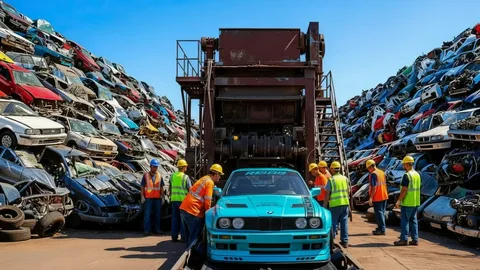
First, the car is checked. Good parts may be taken off for reuse. Next, oil, fuel, coolant and battery fluids are removed with care. Last, the body is cut or crushed. The metal is recycled and turned into new products.
Frequently Asked Questions
What is an insurance write off?
It is a car that the insurer says is too costly to repair.
What is a totaled car?
It means the same as a write off.
Can I sell a write off car?
Often yes, if your policy allows. Ask your insurer first.
Do I need to repair it?
No. We buy write off cars as is.
Will the insurer still pay me if I sell the car?
It depends on your policy. Ask your insurer.
Do you buy flood and fire write offs?
Yes. We buy flood and fire damaged cars.
Is collection free?
Yes. We offer free collection and removal.
Will you help with the paperwork?
Yes. We help guide you through the paperwork.
What if my car has a loan?
Talk to your bank first. The loan usually needs to be cleared.
How do I get an offer?
Send us the details and photos by call or WhatsApp.
Ready to Sell Your Write Off Car?
Do not leave a totaled car sitting and costing you money. Check with your insurer, take a few photos and get in touch. Call +971 552 043 267 or visit the Scrap Cars Buyers home page.